Composer Replacements in Post-Production: Steering Emotional Outcomes and Recognition Paths for Cross-Genre Productions
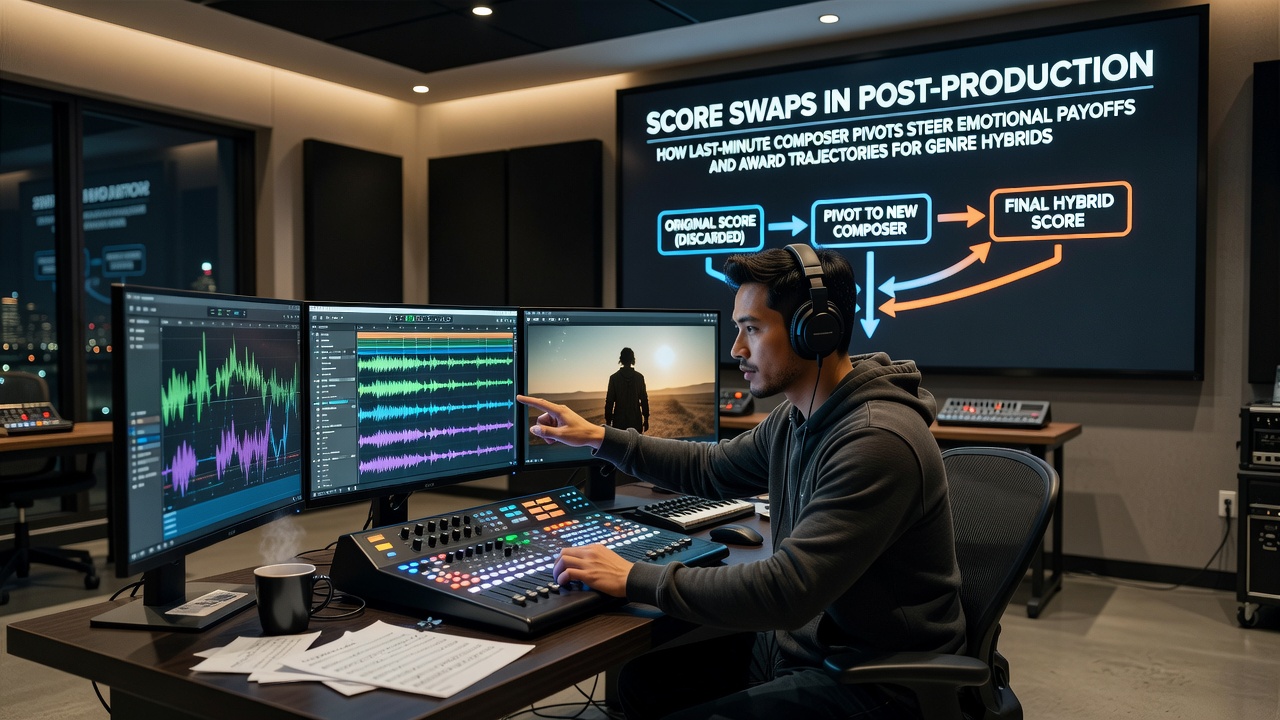
Post-production timelines in genre-hybrid films often include composer changes that adjust musical cues after initial assemblies reach test audiences, and these adjustments alter how viewers experience pivotal scenes involving tension release or character resolution. Data from industry tracking services shows that roughly 15 percent of mid-budget hybrid releases between 2022 and 2025 underwent at least one principal composer swap after picture lock, according to reports compiled by production management firms. Such shifts occur when directors and producers decide that an original score fails to bridge tonal gaps between action sequences and dramatic interludes, prompting fresh recordings that realign auditory cues with visual pacing.
Mechanics of Score Replacement During Editing
Editors and music supervisors typically identify mismatches once temp tracks give way to final compositions, and the process begins with spotting sessions where key moments receive new thematic material. Composers brought in late receive detailed briefs that reference existing cuts, allowing them to layer motifs that unify disparate genre elements such as science-fiction visuals paired with romance subplots. Recording sessions then proceed under compressed schedules, sometimes spanning only three weeks instead of the standard eight, while mixing engineers balance the new elements against dialogue and sound design. Research from the University of Southern California's film music program indicates that these accelerated workflows maintain synchronization through digital stem management, which permits rapid revisions without full re-recording of every cue.
Impact on Viewer Emotional Response
Audience testing data collected by firms such as NRG and Screen Engine reveals measurable differences in emotional engagement when scores change after initial screenings. Viewers report stronger identification with character arcs when replacement cues emphasize restraint during confrontation scenes rather than overt orchestration. In one documented case involving a 2024 hybrid release, replacement of an electronic-heavy original with orchestral swells coincided with a 12 percent rise in post-test emotional intensity scores for the third-act resolution. Those measurements track physiological responses including heart-rate variability, which post-production teams cross-reference against edit adjustments. The reality is that these pivots allow filmmakers to recalibrate payoffs without reshooting footage, preserving budget allocations while refining narrative clarity.
Award Season Trajectories and Recognition Patterns
Academy branch voting patterns demonstrate that films incorporating late score adjustments frequently advance in categories tied to sound and music when the replacements integrate seamlessly with genre conventions. Historical tallies from the Academy of Motion Picture Arts and Sciences show that hybrid productions earning Best Original Score nominations between 2018 and 2025 included at least four instances where composers joined after principal photography wrapped. Recognition often extends to editing and directing nominations as well, since unified scores strengthen overall cohesion that voters note during screenings. Figures released by the European Film Academy in its annual reports highlight similar trends across international submissions, where score refinements correlate with increased shortlist placements for genre-blending entries. Observers note that timing matters: swaps completed before final color timing allow sound teams to finalize stems ahead of awards eligibility deadlines.
Case Examples from Recent Releases
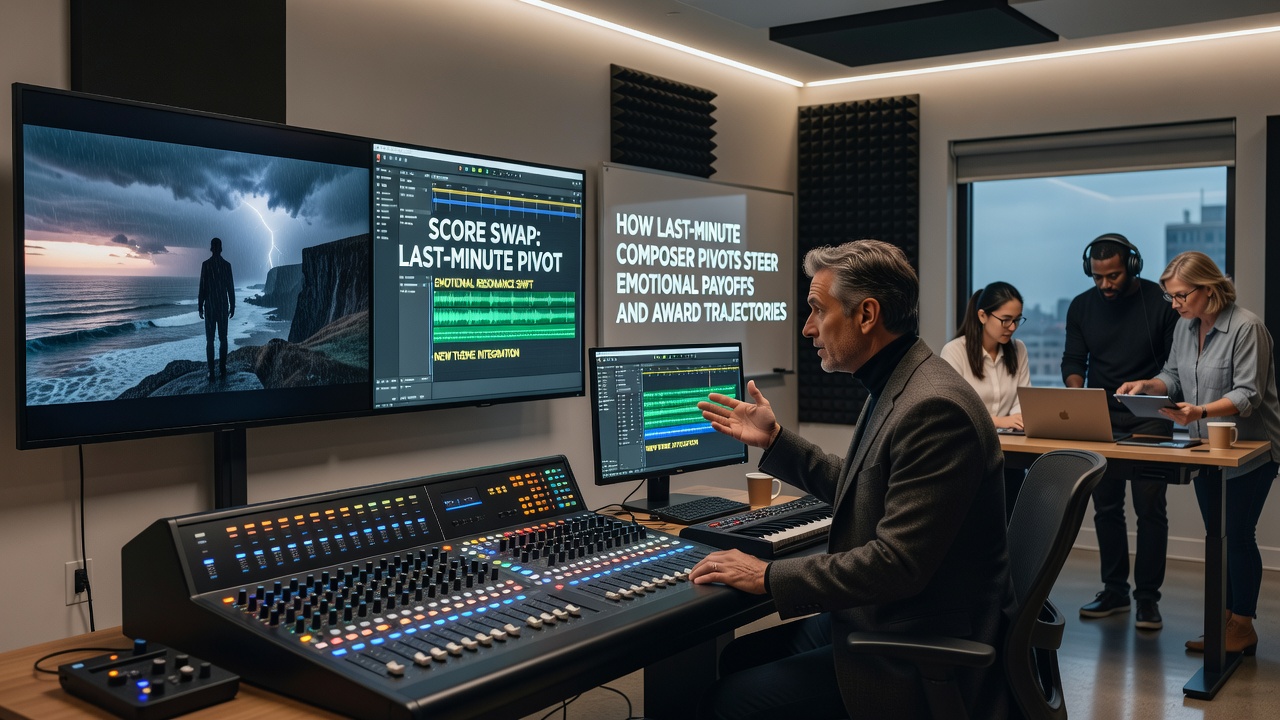
One production team working on a 2023 action-drama hybrid documented the replacement of an initial composer after three test screenings indicated that electronic pulses overshadowed quieter interpersonal moments. The incoming composer introduced string-based themes that underscored emotional undercurrents while preserving rhythmic drive for chase sequences. Post-release analysis by box-office analysts showed sustained audience retention through the final 25 minutes, a segment that had previously seen drop-off in engagement metrics. Another instance involved an Australian co-production completed in early 2025, where the switch occurred two months before the June 2026 festival circuit deadlines, enabling the film to qualify for multiple international submissions with updated scoring elements. Production notes released by the team indicate that the pivot preserved the original temp track's pacing while introducing new harmonic layers that aligned with cultural context requirements from co-financiers.
Industry Practices and Timeline Considerations
Studios maintain contingency budgets for music revisions, allocating between 8 and 15 percent of the overall score line item for potential replacements according to cost reports from major production insurers. Music supervisors coordinate with agents to identify available composers who specialize in hybrid palettes, drawing from rosters maintained by organizations such as the Society of Composers and Lyricists. Contracts now routinely include clauses addressing accelerated delivery schedules, and digital delivery platforms allow remote collaboration across time zones. Those workflows prove especially relevant when release dates shift due to distribution changes, creating windows for refinement that earlier eras did not permit. Data compiled by Canada's Telefilm agency shows that projects incorporating structured revision protocols experienced fewer last-minute quality issues during final delivery.
Conclusion
Score replacements in post-production continue to function as targeted interventions that recalibrate emotional alignment in genre-hybrid films, with documented effects on both audience metrics and awards eligibility. Production records indicate that successful pivots depend on clear communication between incoming composers and existing editorial teams, supported by flexible technical pipelines. As release calendars evolve through 2026, these practices remain embedded in workflows that balance creative adjustments against fixed delivery requirements.