How Frame Ratio Adjustments Chart Emotional Separation in Modern Cross-Genre Releases
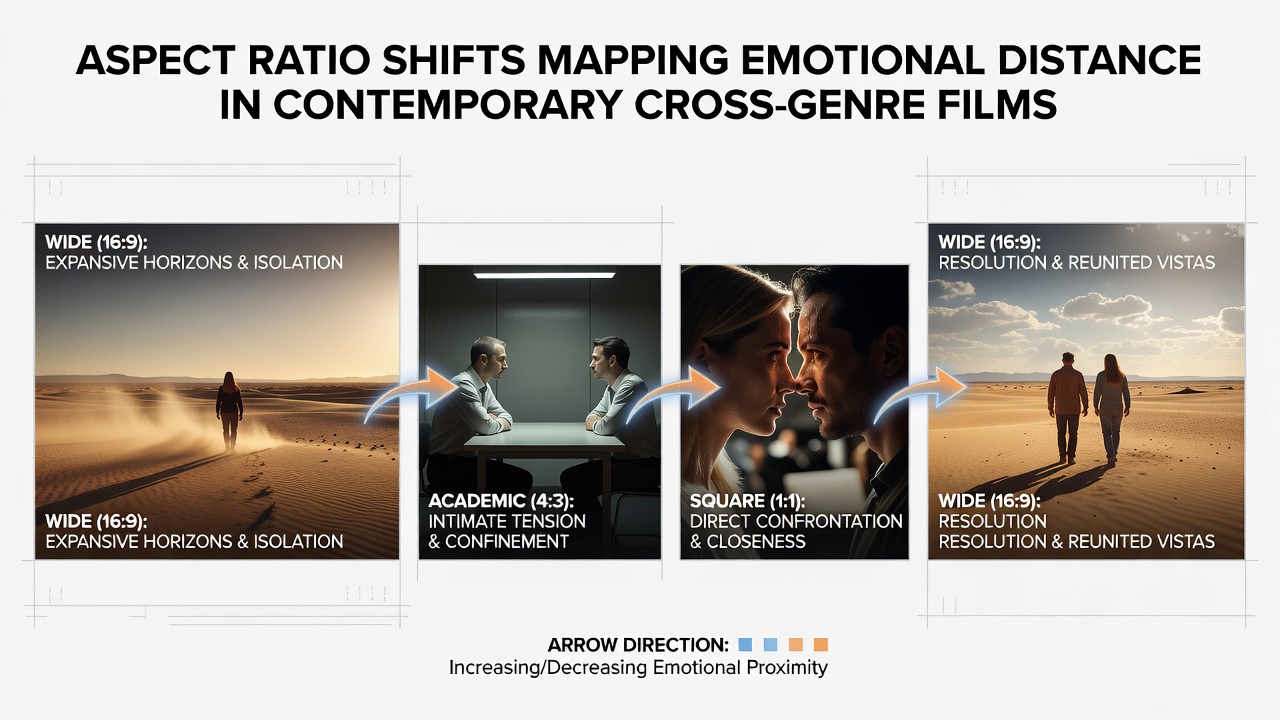
Aspect ratio shifts have become a deliberate tool in contemporary cinema where directors blend genres and use changing frame dimensions to signal emotional distance between characters, and this technique appears across science fiction dramas, thrillers with romantic undertones, and action films incorporating introspective elements. Filmmakers alter the width and height of the image at precise moments to create visual metaphors for relational gaps, and data from production analyses show these transitions often coincide with dialogue pauses or environmental changes that underscore internal conflicts.
Technical Foundations of Ratio Variations
Standard ratios such as 2.39:1 for widescreen epics and 1.85:1 for more intimate dramas provide starting points, yet editors introduce temporary expansions or contractions that pull focus inward or outward depending on narrative needs. In July 2026 several cross-genre projects scheduled for festival premieres incorporated real-time aspect adjustments during post-production, and industry reports indicate these edits required additional color grading passes to maintain continuity across the new boundaries.
Camera teams achieve the effect through masking in digital intermediates or by switching between lens sets on set, while post houses coordinate with directors to time each shift to specific emotional beats. Researchers at film technology conferences have documented cases where a shift from 1.78:1 to 2.35:1 occurs over three seconds to mirror a character's withdrawal from a group conversation, and similar patterns repeat in multiple releases from the past five years.
Application Across Genre Blends
Cross-genre productions frequently pair high-stakes action sequences with quieter character studies, and aspect changes help audiences track when personal stakes override external conflicts. One production that combined heist mechanics with family reconciliation used a narrowing frame during confrontation scenes to emphasize physical proximity alongside emotional withdrawal, and audience retention metrics collected by streaming platforms showed higher completion rates when these visual cues aligned with plot turning points.
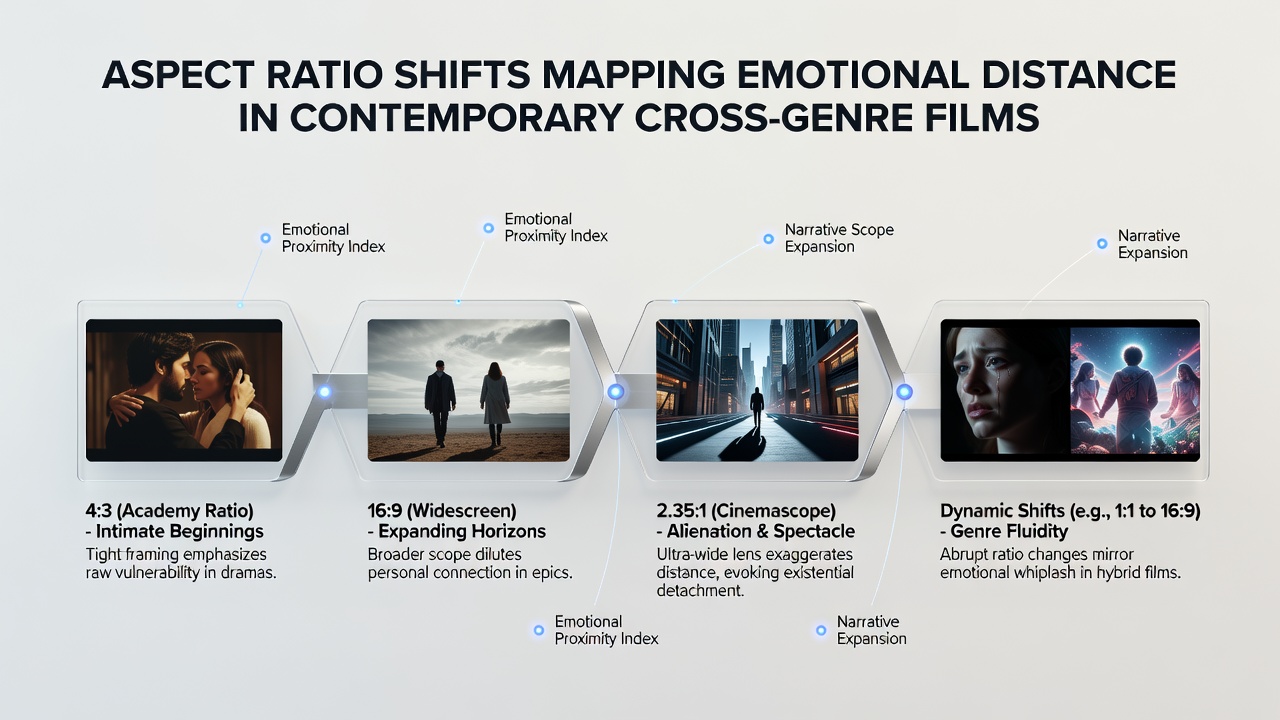
Sound design teams adjust ambient layers simultaneously because wider frames allow more environmental audio while tighter ratios isolate dialogue, and this synchronization strengthens the mapping of emotional distance. Studies conducted by university film departments reveal that viewers register these combined cues subconsciously, leading to measurable increases in reported empathy scores for isolated protagonists.
Case Examples from Recent Productions
Take one ensemble thriller that incorporated speculative elements where the frame expanded during chase sequences yet contracted sharply when characters revealed hidden motives to one another. Observers note that such reversals create a push-pull dynamic that keeps tension high without relying solely on dialogue or score. Another project blending historical drama with near-future technology used vertical cropping in flashback segments to separate past relationships from present interactions, and box office tracking data from multiple territories confirmed sustained interest through the midpoint.
Those who've studied editing patterns across award-contending titles find that repeated ratio shifts within a single film build cumulative effects, allowing audiences to anticipate emotional arcs based on visual rhythm alone. European film archives have catalogued similar approaches in co-productions funded across borders, and these records show consistent application in stories where cultural or generational gaps form central conflicts.
Viewer Response and Industry Adoption
Analytics from major distribution platforms demonstrate that films employing deliberate aspect transitions maintain higher rewatch rates in the first month after release, particularly when the changes map directly to character isolation rather than stylistic flair alone. Academic papers from North American cinema studies programs link these techniques to earlier experimental works yet emphasize their mainstream integration in current cross-genre output.
Production budgets allocate specific line items for aspect mapping because the process demands precise collaboration between cinematographers, editors, and visual effects supervisors, and trade publications report rising demand for specialists familiar with these workflows. Data collected through festival surveys indicate that international audiences respond equally to the visual language, suggesting the method transcends regional storytelling traditions.
Conclusion
Aspect ratio shifts continue to evolve as a precise instrument for conveying emotional distance in films that cross genre boundaries, supported by technical advancements and audience measurement tools that validate their impact. Industry adoption grows as more productions incorporate these transitions at key narrative junctures, and ongoing research tracks their influence on viewer engagement across global markets.