Lens Language: How Camera Angles Convey Power Dynamics in Ensemble Action Dramas
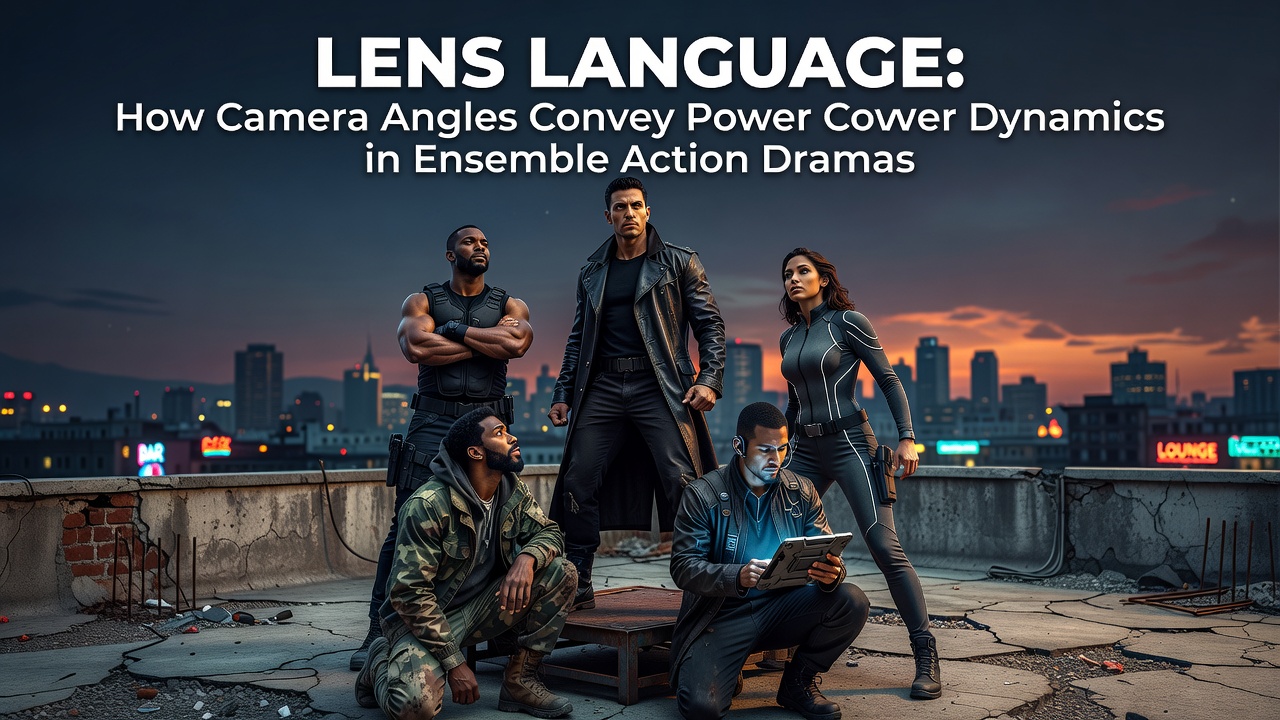
Camera angles function as visual tools that shape viewer perceptions of hierarchy and control within ensemble action dramas, where multiple characters compete for dominance across shared narrative spaces. Directors and cinematographers select low-angle shots to position certain figures as authoritative, while high-angle perspectives diminish others and establish relative weakness in group confrontations. These choices accumulate throughout sequences and influence how audiences track shifting alliances without relying solely on dialogue or plot exposition.
Low Angles and Elevation of Status
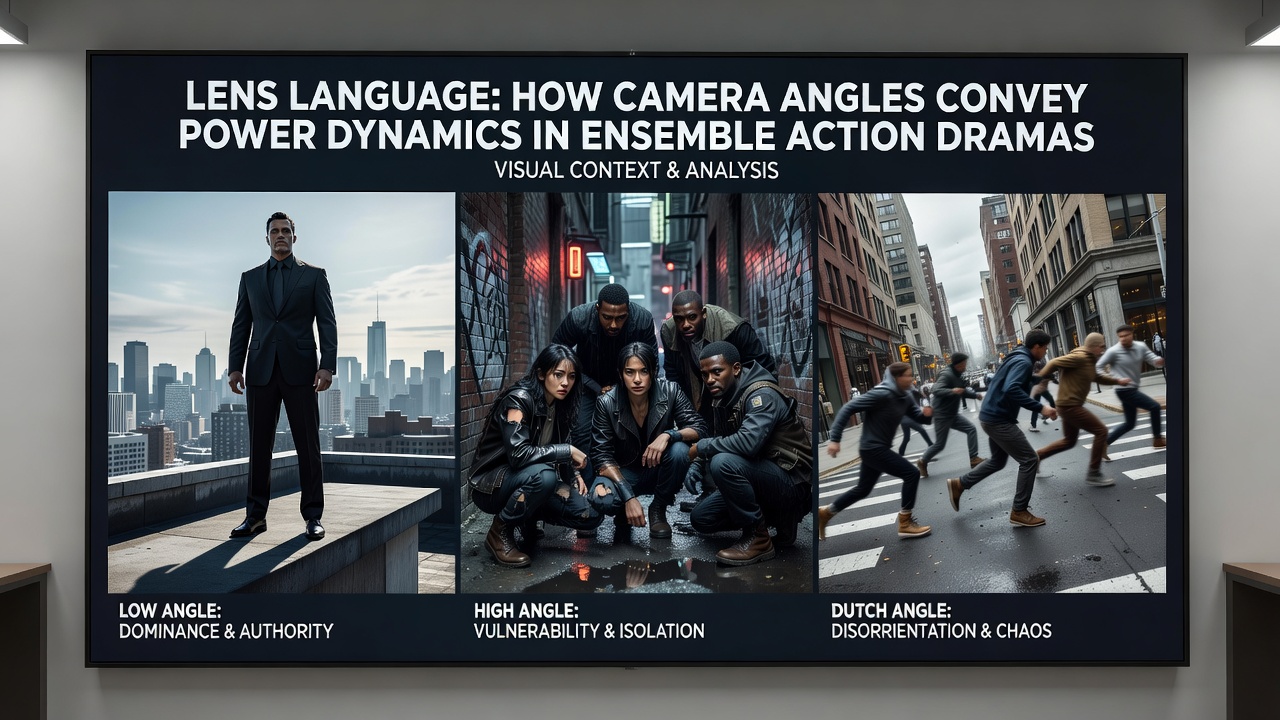
Low camera placements raise subjects above the frame line and create impressions of physical and narrative superiority in crowded scenes. Films such as those featuring coordinated heist teams or military units employ this technique when leaders address subordinates, allowing the composition to reinforce command structures through perspective alone. Data from shot analysis databases maintained by film archives shows consistent use of low angles during pivotal group decisions, where one character occupies the upper portion of the frame while others remain anchored lower.
Observers note that this method extends beyond individual portraits and integrates into ensemble blocking, where multiple performers occupy the same space yet receive unequal visual weight based on angle selection. Researchers at institutions including the Australian Centre for the Moving Image have documented patterns in which low-angle repetition correlates with character arcs that emphasize rising influence within teams.
High Angles and Subordination Effects
High-angle shots produce the opposite effect by looking down on subjects and compressing their presence relative to surroundings. In ensemble action dramas, these placements often coincide with moments of tactical disadvantage, such as characters pinned during combat or isolated during planning failures. The resulting image conveys vulnerability because the camera position aligns viewers with an elevated, detached viewpoint that reduces apparent agency.
Production records from major studio releases indicate frequent pairing of high angles with wide shots that include multiple ensemble members, allowing the audience to register collective imbalance rather than isolated defeat. Cinematographers adjust focal lengths alongside these angles to maintain depth of field across the group, ensuring peripheral figures remain visible yet subordinate in the composition.
Eye-Level and Neutral Ground in Group Dynamics
Eye-level framing serves as a baseline that establishes temporary equilibrium before angles shift to signal change. Ensemble sequences frequently open at this neutral height during introductions or truces, then pivot to tilted perspectives as conflicts escalate. This progression allows editors to layer tension through visual escalation instead of abrupt cuts or score cues alone.
What's interesting is how repeated returns to eye-level after intense angled sequences reset audience expectations for the next power fluctuation. Studies of viewer response patterns, including eye-tracking experiments conducted at European film research centers, reveal that these resets heighten sensitivity to subsequent angle changes and help maintain engagement across extended runtime.
Overhead and Dutch Angles in Tactical Moments
Overhead perspectives flatten spatial relationships and emphasize strategic layouts during planning or ambush scenes. Ensemble action dramas use these shots to display formations, exits, and obstacles simultaneously, granting viewers information that individual characters lack. The detached quality of the angle underscores collective stakes while withholding emotional access to any single participant.
Dutch tilts introduce instability that mirrors internal team fractures. When applied during arguments or betrayals, the angled horizon line disrupts compositional balance and signals that established hierarchies face disruption. Production notes from 2025 releases show increased deployment of these tilts in the second act, where group cohesion begins to erode under external pressure.
Integration with Movement and Editing
Static angles gain additional meaning when combined with camera movement or rapid cutting. A slow push-in from low angle during a speech can amplify perceived authority, whereas a quick whip pan from high angle to eye level reorients focus toward an emerging challenger. These combinations allow directors to choreograph power transfers across the ensemble without halting narrative momentum.
According to reports from the Society of Camera Operators, coordination between angle selection and actor movement requires precise timing on set, particularly when multiple performers cross paths within a single take. July 2026 productions continue to refine these workflows through virtual previsualization tools that test angle combinations before principal photography begins.
Conclusion
Camera angles operate as an accumulated language that tracks and predicts power realignments throughout ensemble action dramas. Low, high, eye-level, overhead, and tilted perspectives each contribute distinct signals that interact with blocking, editing, and performance. Film scholars and practitioners continue to examine these techniques through archival analysis and production studies, revealing consistent patterns across decades of releases. The approach remains central to visual storytelling because it conveys relational dynamics efficiently and immerses audiences in the shifting hierarchies that define ensemble narratives.