Montage Rhythms and Their Impact on Audience Loyalty in Award-Season Genre Hybrids
Willa Roth · Aug 27, 2026
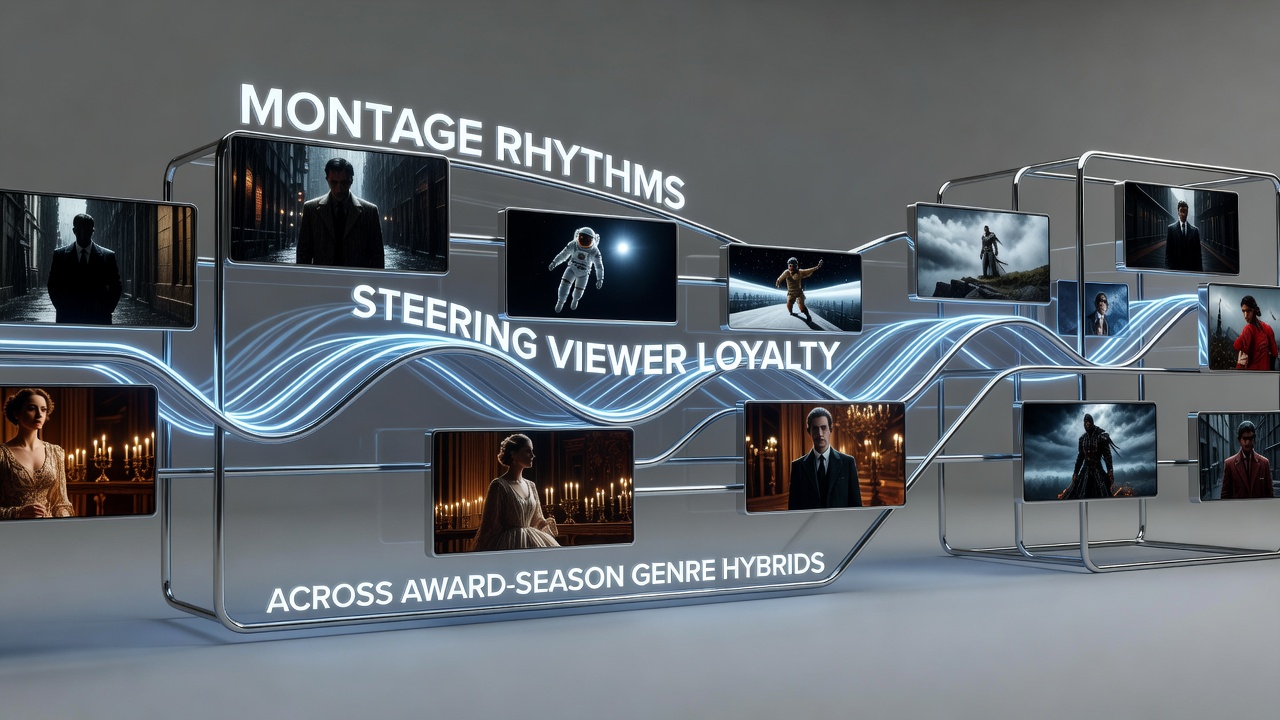
Montage Rhythms and Their Impact on Audience Loyalty in Award-Season Genre Hybrids
Editing rhythms in montage sequences have shaped how viewers engage with films that blend multiple genres during awards season cycles, and data from industry tracking services show consistent patterns in retention metrics across such releases. These rhythms involve the timing and frequency of cuts that alternate between intense bursts and measured pauses, which researchers link to sustained attention in narratives mixing elements like drama with speculative fiction or thriller components with historical backdrops. Studies from academic film programs indicate that such structures help maintain viewer investment through extended runtimes typical of awards contenders.
Core Elements of Montage Pacing in Hybrid Productions
Filmmakers construct montage rhythms by varying shot durations within single sequences, where short bursts of three to five frames alternate with longer takes that allow emotional processing, and this technique appears frequently in cross-genre entries submitted for major awards recognition. Observers note that these patterns emerge during post-production refinements when editors adjust tempo to align with genre shifts, such as moving from action set pieces into character-driven interludes. Evidence from viewer analytics platforms reveals higher completion rates for films employing this method compared to those with uniform pacing throughout.
Production records from recent cycles demonstrate that hybrid films incorporating deliberate rhythm changes often secure broader distribution deals, since test screenings highlight improved audience recall of key plot turns when cuts follow irregular intervals. Those who study editing practices point out that sound design integration further amplifies these effects, with ambient layers syncing to visual beats to guide emotional arcs without relying solely on dialogue exposition.
Viewer Data Patterns Across Awards Timelines
Tracking services monitoring streaming and theatrical viewership have recorded elevated loyalty indicators for genre-blending titles released in the months leading into awards eligibility periods, and August 2026 saw particular spikes in repeat views for several hybrid productions as audiences prepared for festival circuits. Figures compiled by regional media research groups show that sequences featuring rhythmic montage maintained higher engagement scores during second and third viewings, suggesting these structures encourage repeated consumption. One analysis from the European Audiovisual Observatory highlighted correlations between editing tempo variations and regional box office holdover performance in mixed-genre categories.
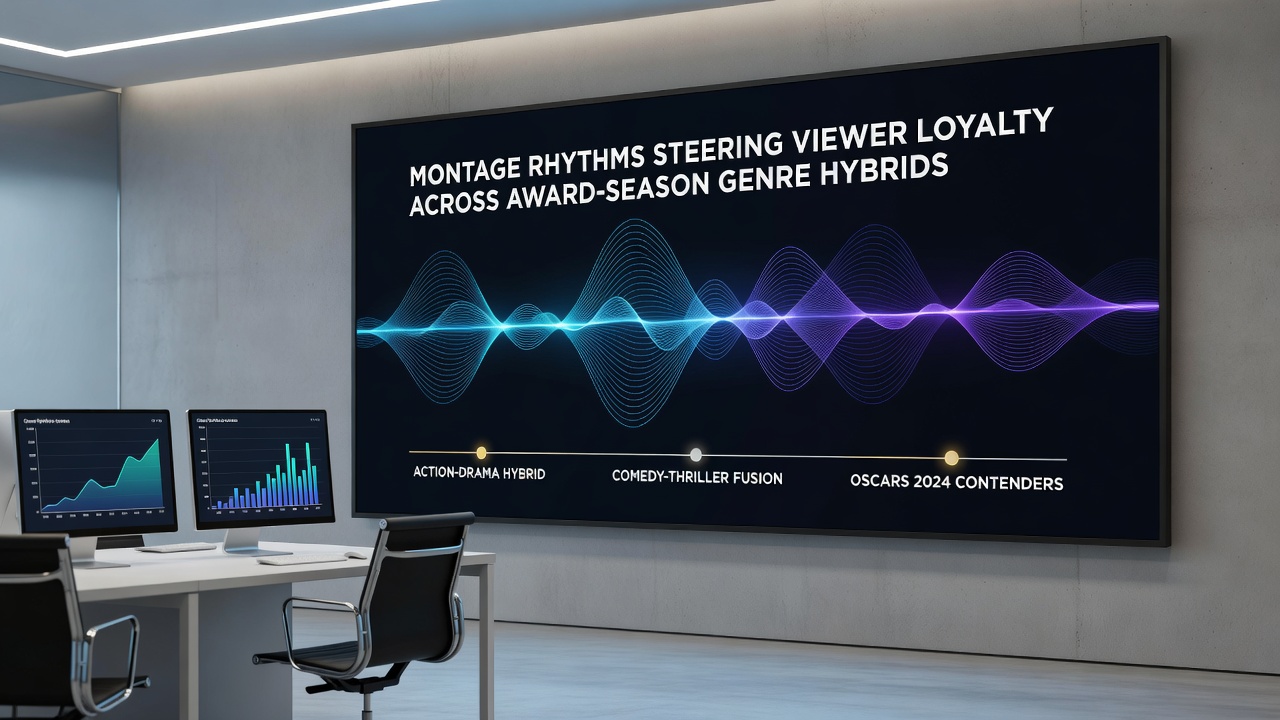
Academic examinations of frame-by-frame structures in successful awards entries further establish that irregular montage pacing reduces dropout points during transitional scenes where genre elements converge. Researchers at institutions across North America and Europe have documented how these rhythms support narrative cohesion when plots shift between high-stakes spectacle and intimate interpersonal moments. Data sets from Canadian media funding bodies indicate similar retention benefits in domestic productions that adopted comparable editing approaches for international festival submissions.
Technical Implementation Across Different Genre Combinations
Editors working on science fiction dramas often employ accelerating cut rates during discovery sequences that transition into slower reflective passages, while action-infused historical pieces utilize staggered rhythms to balance combat intensity with political maneuvering segments. Industry reports document that these choices arise from collaborative reviews involving directors and sound teams who calibrate visual tempo against musical cues to sustain momentum. Case examples from recent award cycles illustrate how such methods appear in ensemble-driven narratives where multiple character threads require careful intercutting to preserve overall coherence.
Post-production workflows frequently incorporate audience testing at key milestones to refine montage intervals, with adjustments made when initial metrics show dips in attention during genre transition points. Those analyzing large-scale viewer databases note that films applying these refinements tend to exhibit stronger word-of-mouth metrics, which in turn influence awards season positioning through increased critical and public discussion.
Conclusion
Available evidence positions montage rhythms as a measurable factor in how hybrid genre films retain audiences through awards season windows, with patterns of pacing variation linked to completion rates and repeat engagement across multiple data sources. Production practices continue to evolve around these techniques as tracking tools provide more granular insights into viewer behavior, while geographic research variations underscore consistent outcomes regardless of regional market differences. The integration of these editing strategies with broader narrative and technical elements supports their role in shaping long-term loyalty for contenders navigating complex genre blends.