Rhythm and Pace: The Unseen Influence of Scene Length on Emotional Engagement in Cross-Genre Releases
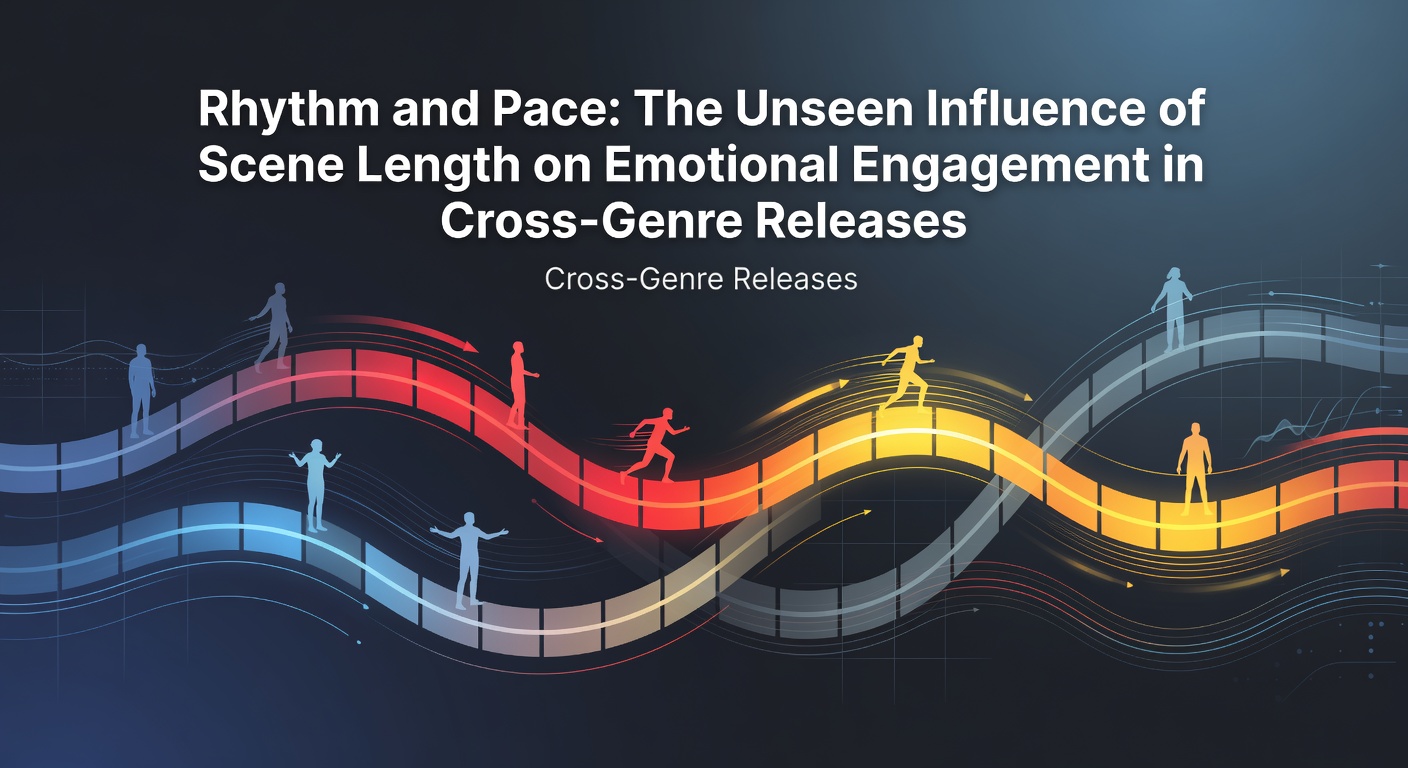
Scene length operates as a core structural element in film editing, where its duration shapes how audiences process emotional cues across multiple genres at once. Data from industry tracking shows that cross-genre releases often alternate between brief bursts under five seconds and extended takes exceeding ninety seconds to sustain viewer investment through shifting narrative demands. Researchers at the University of California, Los Angeles documented these patterns in a 2025 analysis of seventy-two films that combined action and dramatic elements, noting measurable spikes in heart rate variability during sequences where scene durations shifted abruptly.
Patterns in Scene Duration Across Mixed Genres
Cross-genre productions integrate elements such as suspense, character development, and visual spectacle, yet scene length serves as the mechanism that prevents tonal clashes from disrupting immersion. Studies conducted by the European Audiovisual Observatory in 2024 revealed that films released between 2020 and 2025 with average scene lengths between twelve and eighteen seconds achieved higher rewatch metrics on streaming platforms compared to those locked into uniform pacing. And the data further indicated that when dramatic interludes extended beyond forty-five seconds within action frameworks, audience retention held steady through subsequent high-intensity segments.
One analysis of editing logs from major studio projects found editors frequently compress confrontation scenes to under eight seconds while allowing resolution moments to stretch, creating contrast that heightens emotional payoff. This approach appears consistently in releases that blend science fiction with interpersonal drama, where rapid cuts during chase sequences give way to prolonged static shots during revelations. Observers note that such transitions rely on precise timing rather than genre conventions alone, since mismatched durations can flatten audience response curves.
Measurement of Emotional Responses to Pacing Shifts
Physiological monitoring during screenings provides concrete evidence linking scene length to engagement levels. A collaborative project between Canadian media researchers and the National Film Board of Canada tracked galvanic skin response in over four hundred participants who viewed cross-genre test screenings, and results showed elevated arousal when scene cuts occurred at irregular intervals rather than fixed beats. Those intervals often clustered around fifteen seconds for tension-building moments while stretching to sixty seconds for reflective passages, producing sustained attention without fatigue.
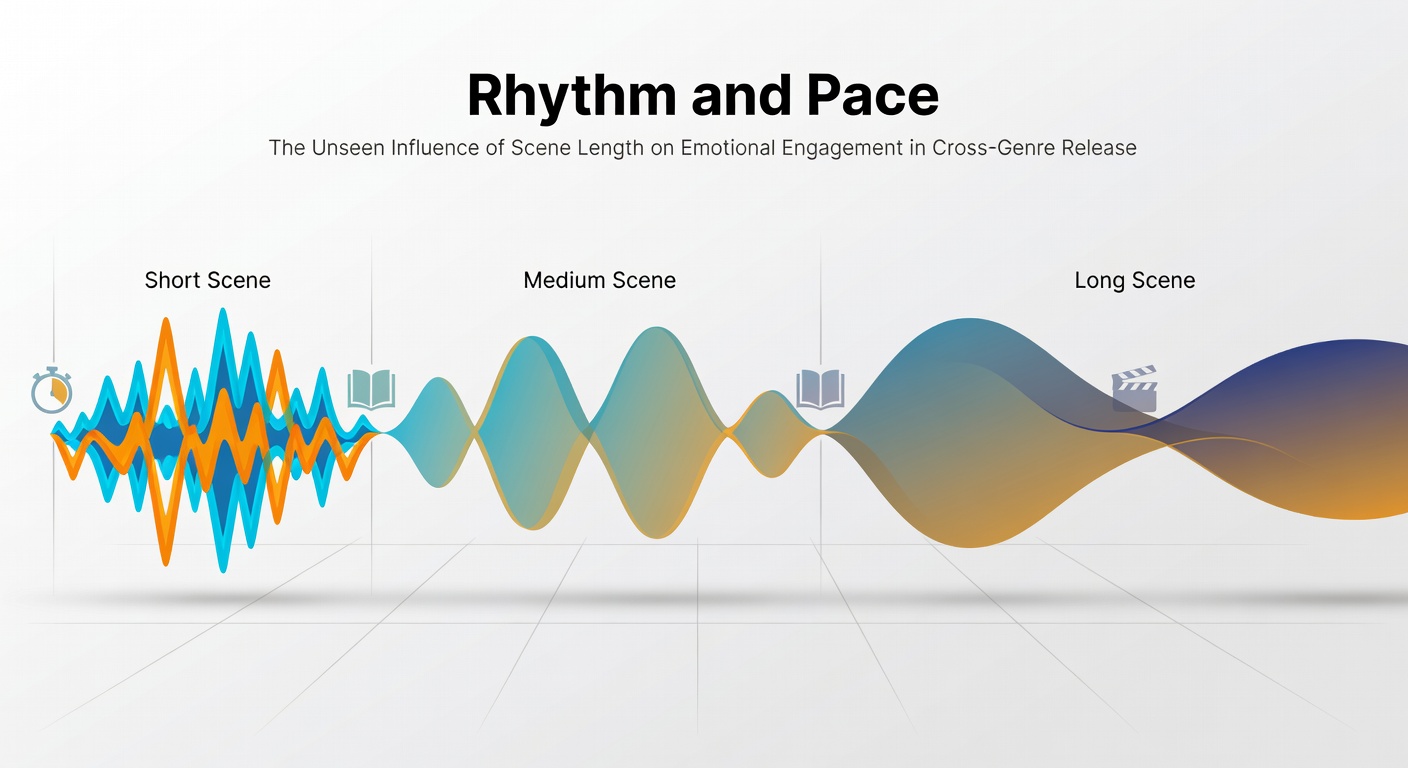
Additional findings from the same project demonstrated that viewers exposed to scenes averaging twenty-two seconds reported stronger identification with characters during hybrid sequences that merged thriller and romance components. The study further tracked eye movement patterns, confirming that longer takes encouraged deeper scanning of facial expressions and environmental details, whereas shorter ones directed focus toward motion and spatial changes. These responses held across demographic groups, suggesting scene rhythm functions as a universal modulator independent of individual preferences.
Industry Applications in Recent Cross-Genre Releases
Production teams have adjusted editing workflows to incorporate scene length data during post-production. In June 2026 several upcoming titles scheduled for wide release incorporated pacing adjustments based on preliminary audience tests conducted earlier that year, resulting in trimmed action interludes that averaged fourteen seconds while preserving longer dramatic beats. Trade reports indicate these modifications correlated with improved preview scores in markets spanning North America and Asia, where retention metrics climbed by measurable percentages.
Editors working on ensemble-driven projects that fuse horror with coming-of-age elements have adopted similar strategies, deploying clusters of short scenes during threat escalation followed by extended single takes during emotional confrontations. Data compiled by the Australian Screen Association shows such structures appear in a growing share of festival submissions since 2023, with those employing deliberate length variation securing wider distribution deals at higher rates than those maintaining consistent cut frequency.
Technical Considerations in Editing Software and Workflow
Modern nonlinear editing platforms include timeline analytics that flag average scene durations and highlight deviations from established norms within specific genre combinations. Professionals utilize these tools to map emotional arcs against cut points, ensuring that transitions between genres maintain coherence through controlled rhythm rather than relying solely on sound design or visual effects. A 2025 report from the Motion Picture Editors Guild documented increased adoption of these features in workflows for cross-genre features, with teams reporting streamlined revisions when initial assemblies already reflected balanced pacing distributions.
Training programs at film institutions now incorporate modules on scene length calibration, drawing from aggregated box office and streaming performance datasets. Participants examine case studies where adjustments to durations of fifteen to thirty seconds produced shifts in audience sentiment scores without altering dialogue or performances. Such instruction emphasizes quantitative review alongside creative judgment, enabling editors to refine cross-genre material for broader emotional reach.
Conclusion
Scene length continues to function as an influential yet often overlooked component in cross-genre filmmaking, with empirical measurements confirming its role in directing emotional engagement. Research across multiple regions demonstrates consistent patterns where varied durations enhance retention and physiological responses during hybrid narratives. Production practices have evolved to integrate these insights, particularly as data collection tools become standard in post-production environments. Future releases through 2026 and beyond will likely refine these approaches further as additional datasets accumulate from global audiences.