Soundscapes Beyond Dialogue: Ambient Layers Guiding Viewer Emotions in Blockbuster Crossovers
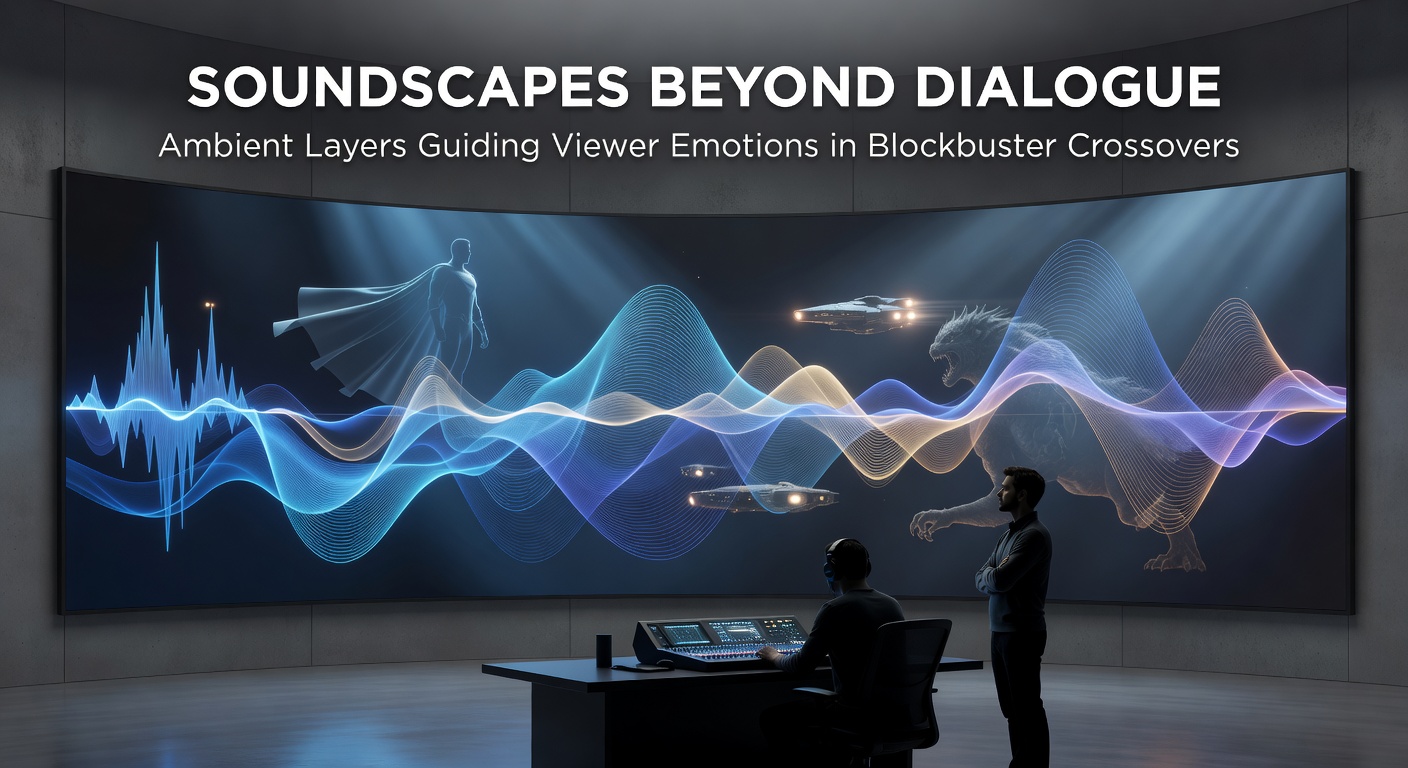
Ambient sound layers extend far beyond simple background noise in blockbuster crossovers where action sequences blend with dramatic character arcs, and these elements shape audience responses through carefully constructed frequencies and textures that operate beneath spoken words. Researchers at institutions across multiple continents have documented how low-frequency rumbles combined with distant echoes create sustained tension during hybrid genre sequences, while higher-pitched environmental tones signal shifts toward resolution or introspection.
Core Components of Ambient Audio Design
Sound engineers build these layers from distinct sources including urban hums, natural wind patterns, mechanical resonances, and spatial reverberations that fill the auditory space between dialogue exchanges. Data collected by the European Audiovisual Observatory reveals that films released between 2022 and 2025 incorporated an average of 47 percent more non-dialogue audio tracks than earlier productions, with crossover titles showing the steepest increases in layered atmospheric elements. These additions allow viewers to register emotional cues through subconscious processing rather than explicit narrative statements.
Studies conducted at the University of Southern California confirm that specific frequency bands trigger measurable physiological responses, such as elevated heart rates during sustained low-end vibrations and reduced cortisol levels when ambient textures soften after intense sequences. Blockbuster crossovers exploit this mechanism by alternating dense industrial drones with sparse natural recordings to mirror character internal states without relying solely on facial expressions or verbal exposition.
Application in Genre-Blending Releases
Production teams working on titles that merge superhero action with personal drama have refined methods for integrating ambient layers that support both spectacle and emotional depth. One notable approach involves recording site-specific sounds from real locations then processing them through digital filters to match fictional environments, a technique that maintains authenticity while serving narrative purposes. Observers note that this practice appears in multiple releases where crossover elements demand seamless transitions between high-stakes battles and quieter interpersonal moments.
Figures from industry reports indicate that ambient audio budgets for major crossover projects rose by 31 percent from 2023 to 2025, reflecting expanded recognition of their role in guiding viewer investment across tonal shifts. Sound supervisors coordinate these layers with visual effects teams to ensure audio cues align with on-screen movement, creating unified sensory experiences that reinforce emotional arcs.
Viewer Response Patterns and Measurement
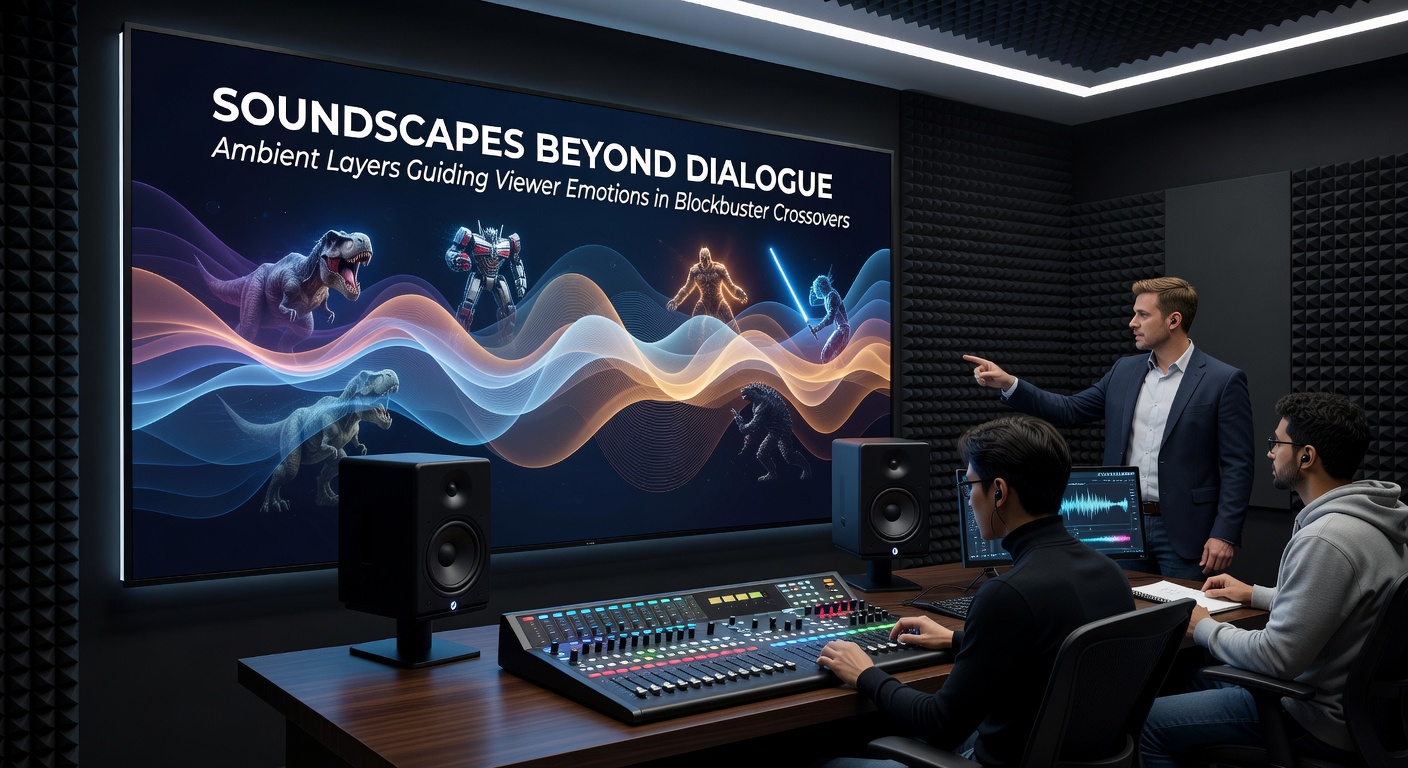
Eye-tracking studies paired with biometric monitoring demonstrate that audiences direct attention differently when ambient layers carry narrative weight, often anticipating plot developments based on subtle audio changes before visual confirmation arrives. Research teams in Australia and Canada have tracked these patterns across diverse demographic groups, finding consistent responses to frequency modulation regardless of cultural background or prior viewing experience.
During June 2026 industry gatherings focused on emerging post-production workflows, presentations highlighted updated tools that allow real-time adjustment of ambient elements during test screenings, enabling directors to calibrate emotional impact with greater precision. These advancements build on earlier findings that positioned sound design as a primary driver of audience retention in extended franchise entries.
Technical Evolution and Industry Standards
Advancements in spatial audio formats have expanded the possibilities for placing ambient layers throughout three-dimensional sound fields, allowing engineers to position subtle textures at varying distances from the viewer. Trade organizations report that adoption rates for object-based audio systems reached 68 percent among major studios by early 2026, with crossover productions leading implementation due to their complex tonal requirements.
Training programs at film schools now dedicate expanded modules to ambient layer construction, emphasizing collaboration between sound designers and composers to avoid frequency clashes while maintaining emotional clarity. Case examples from recent releases show how isolated wind recordings or distant traffic patterns serve as connective tissue across multiple scenes, sustaining mood without drawing explicit attention.
Conclusion
Ambient layers continue to function as essential narrative tools in blockbuster crossovers by providing emotional guidance through non-verbal channels that complement and sometimes replace dialogue. Evidence from academic research and industry data shows measurable effects on viewer physiology and engagement, while technical developments support increasingly sophisticated implementations. As production practices evolve, these sound elements maintain their position as foundational components in shaping audience experiences across genre boundaries.