Symbol Stacking in Sequels: Repetitive Imagery Holding Viewer Attention in Extended Film Series
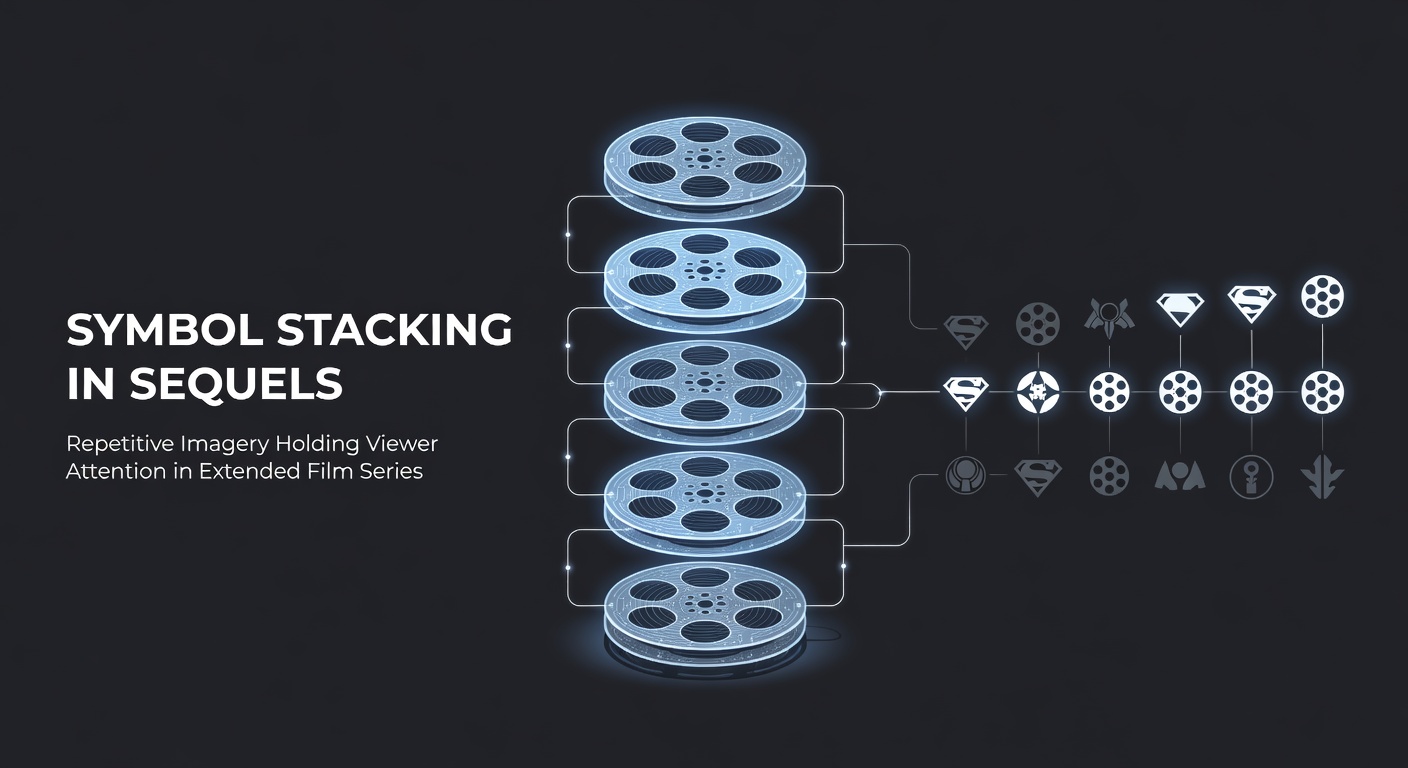
Symbol stacking refers to the deliberate reuse of specific visual motifs, objects, or images across multiple installments in a film franchise, and this technique has gained traction as studios extend series into longer runs. Data from industry reports indicate that such repetition helps maintain narrative continuity while reinforcing emotional connections for audiences who follow installments over years. Researchers at film studies programs have documented how these elements function as anchors, guiding viewer focus through increasingly complex plotlines without requiring constant exposition.
Core Mechanisms Behind the Approach
Filmmakers build layers by introducing a symbol in an early entry, then layering additional meanings onto it in subsequent films, and this process creates a cumulative effect that rewards repeat viewers. According to findings from the University of Southern California's School of Cinematic Arts, audiences show measurable increases in attention retention when familiar icons reappear at key dramatic moments. The approach works because it taps into recognition memory, allowing viewers to track character arcs or thematic developments through visual shorthand rather than dialogue alone.
Take one production team that tracked symbol frequency in a long-running action series, where a particular vehicle model appeared in escalating contexts across five entries, and viewership metrics revealed sustained engagement during those sequences. Experts have noted that stacking avoids the pitfalls of pure novelty by balancing new imagery with established ones, which keeps the visual language consistent even as stories evolve.
Patterns Observed in Major Franchises
Extended series such as the Star Wars saga demonstrate symbol stacking through lightsaber designs and the recurring desert planet motifs that signal pivotal character transitions. Each new film adds contextual weight to these elements, while data collected by box office analysts show higher rewatch rates among fans who identify these connections. In parallel, the Marvel Cinematic Universe has employed infinity stone visuals and shield emblems to signal shifting alliances, with studies indicating these repetitions correlate with stronger franchise loyalty metrics.
What's interesting here involves how color palettes and object placements intensify over time, since directors often amplify saturation or alter lighting around teh same prop to reflect narrative progression. One analysis of viewer eye-tracking data from European cinema research groups revealed prolonged focus on these stacked symbols during climactic scenes compared to entirely new visual introductions.
Viewer Attention Data and Industry Trends
Figures released by film industry organizations in Australia highlight that sequels employing repetitive imagery achieve steadier audience retention through their second and third weekends, whereas those relying solely on fresh visuals experience steeper drop-offs. This pattern holds across genres, from science fiction to animated adventures, because the symbols serve as emotional touchstones that bridge gaps between release dates.
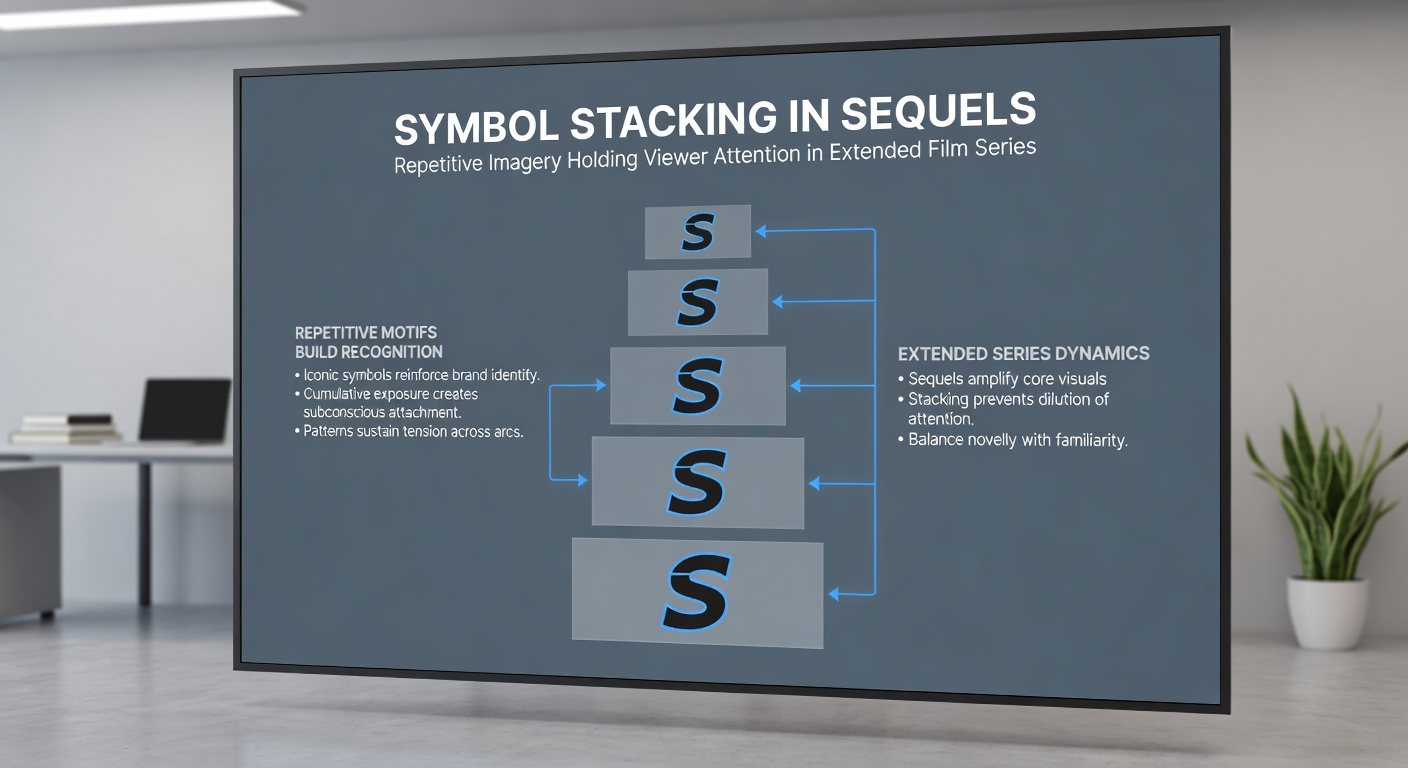
Production schedules for 2026 include several extended series entries slated for May releases, and early marketing materials suggest continued emphasis on established symbols to capitalize on existing fan bases. Observers note that this timing aligns with summer viewing peaks, where families and groups seek familiar entry points into longer narratives.
Challenges in Execution and Adaptation
Overuse of any single symbol risks diminishing returns, so creative teams introduce variations such as damaged versions or alternate color schemes to refresh the stack without breaking continuity. Research indicates from Canadian media studies departments that subtle evolutions maintain interest better than identical repetitions, with test screenings confirming higher satisfaction scores when symbols adapt to new story demands. Directors must weigh the benefits of recognition against the need for innovation, and successful cases often combine both through careful placement in action or emotional peaks.
International co-productions add another layer, since cultural differences in symbol interpretation require adjustments for global markets. Data compiled by film trade groups show that carefully calibrated stacking leads to broader appeal when symbols carry universal associations like light versus darkness or growth versus decay.
Conclusion
Symbol stacking has emerged as a practical tool for sustaining attention across extended film series, supported by attention metrics and production strategies that prioritize visual continuity. As franchises plan further installments into 2026 and beyond, the technique continues to evolve through measured adaptations rather than wholesale reinvention. Viewers benefit from these layered references that reward ongoing engagement while guiding them through increasingly intricate story worlds.