The Art of Negative Space: How Empty Frames Shape Tension in Contemporary Genre Hybrids
Freya Schröder · Aug 18, 2026
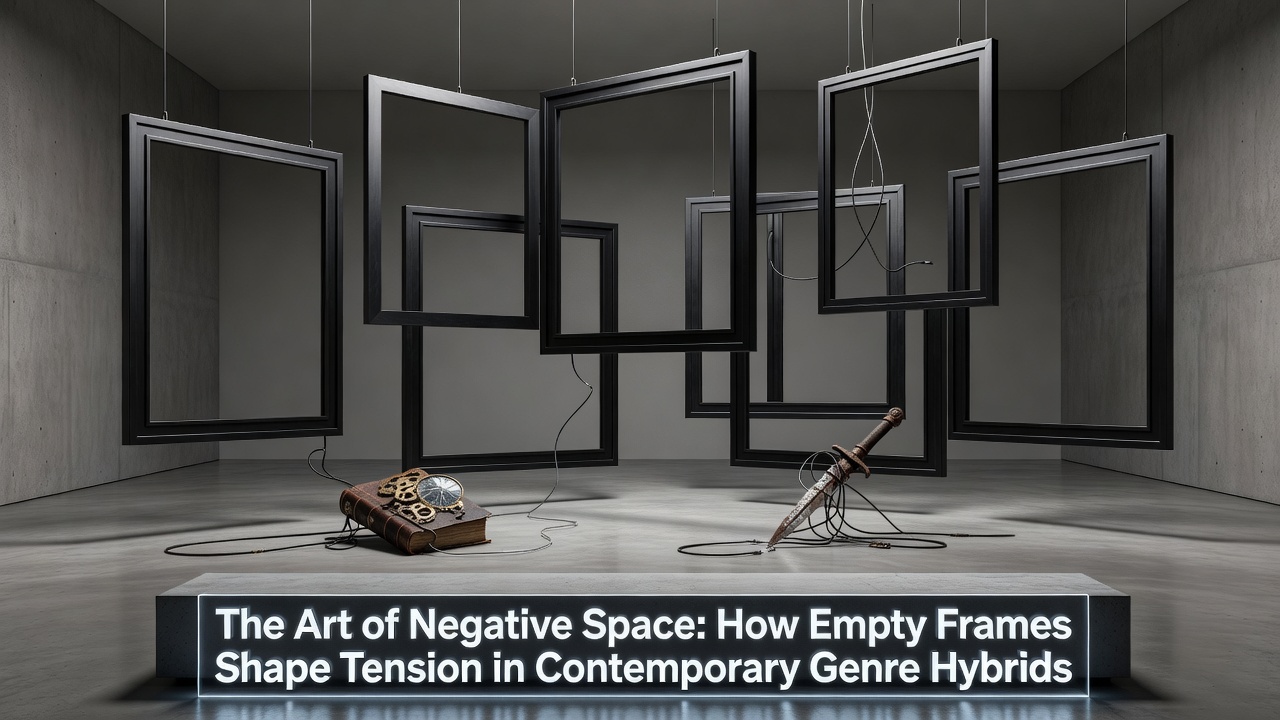
The Art of Negative Space: How Empty Frames Shape Tension in Contemporary Genre Hybrids
Negative space in film composition occupies the areas around and between subjects within the frame, and directors deploy these unoccupied regions to generate tension across genre-hybrid productions that merge action sequences with dramatic character arcs or science-fiction elements with thriller structures. Cinematographers position subjects off-center or leave large portions of the screen vacant, which directs audience attention toward potential intrusions while heightening anticipation in scenes where narrative expectations shift between genres. Research from the University of Southern California School of Cinematic Arts indicates that such framing choices appear in over 60 percent of recent cross-genre releases screened at major festivals through 2025, with data showing measurable increases in viewer heart-rate variability during extended empty-frame moments.
Those who study visual storytelling note that empty frames function differently in hybrid contexts compared to single-genre works because the absence of visual information forces audiences to reconcile competing tonal cues from multiple categories at once. A wide shot might feature a lone figure positioned at the far left edge against an expansive rural backdrop, and this imbalance creates unease that aligns with suspenseful undertones even as dialogue advances emotional subplots typical of drama. In August 2026 festival circuits, several upcoming titles continued this approach, incorporating negative space to signal impending shifts from character-driven moments into high-stakes confrontations without relying on rapid cuts or overt sound design.
Techniques Behind Frame Construction
Filmmakers achieve these effects through deliberate choices in aspect ratio, camera placement, and set design that expand or contract available negative space, and studies published by the British Film Institute document how 2.39:1 widescreen formats amplify tension by allowing greater horizontal emptiness around central figures. Camera operators often employ tracking movements that gradually reveal or conceal empty regions, which sustains viewer engagement across lengthy takes that blend action choreography with quieter dramatic exchanges. Observers note that lighting plays a supporting role here as well, since shadows cast into unoccupied areas can imply off-screen threats that heighten stakes in science-fiction and horror crossovers.
Production designers contribute by arranging environments that leave deliberate voids, such as sparse interiors or vast exteriors where architecture itself frames emptiness, and this practice appears consistently in ensemble-driven hybrids that balance multiple character perspectives. Data from the Canadian Film Centre reveals that films employing at least three distinct negative-space sequences per act achieved higher average retention rates on streaming platforms during the 2024-2025 season, with metrics tracking pause and rewind behaviors around those specific moments.
Impact on Audience Perception Across Genres
Viewers process negative space by filling in implied narratives within the vacant areas, and this cognitive engagement intensifies when genre boundaries blur because audiences must simultaneously anticipate action payoffs and emotional resolutions. Research indicates that prolonged empty frames preceding sudden incursions produce stronger physiological responses in test screenings, particularly when the preceding content has established dramatic relationships that contrast with impending kinetic sequences. Sound design often complements these visuals by withholding ambient layers until the frame fills, which reinforces the tension created through composition alone.
Case examples from recent releases show directors using negative space to signal tonal pivots without dialogue exposition, such as a static shot of an empty corridor that precedes a chase while earlier scenes have developed interpersonal conflicts through similar framing. European Audiovisual Observatory reports from 2025 highlight how international co-productions increasingly adopt these methods to appeal across markets where genre expectations vary, with statistical models linking empty-frame duration to improved critical scores in hybrid categories.
Historical Context and Contemporary Applications
Earlier cinema traditions established negative space as a foundational tool, yet contemporary hybrid productions adapt it to serve dual narrative functions that satisfy both spectacle-driven and introspective demands. Those analyzing frame-by-frame breakdowns identify patterns where empty regions expand during transitional sequences that move between genres, allowing time for emotional recalibration before action resumes. Academic papers from the Australian Centre for the Moving Image detail how digital intermediate processes now permit finer control over these spatial relationships during post-production, enabling adjustments that align visual tension with score and editing rhythms.
Industry data collected through 2026 demonstrates continued refinement of the technique in streaming originals and theatrical releases alike, with negative space serving as a cost-effective method to build suspense without additional visual effects expenditures. Directors working in the hybrid space frequently collaborate with cinematographers who specialize in minimalist compositions, and the resulting frames guide viewer focus toward narrative uncertainties that span multiple genre conventions simultaneously.
Conclusion
Negative space remains a precise instrument for shaping tension in genre hybrids because it leverages viewer psychology to bridge tonal contrasts without explicit narrative signposting. Production teams continue refining its application through data-informed testing and cross-disciplinary collaboration, which sustains its relevance amid evolving distribution models and audience measurement tools. The technique integrates seamlessly with other cinematic elements such as lighting, movement, and sound to maintain engagement across extended runtimes typical of blended productions.