The Quiet Architecture of Props: How Everyday Objects Carry Subtext Across Genre Boundaries
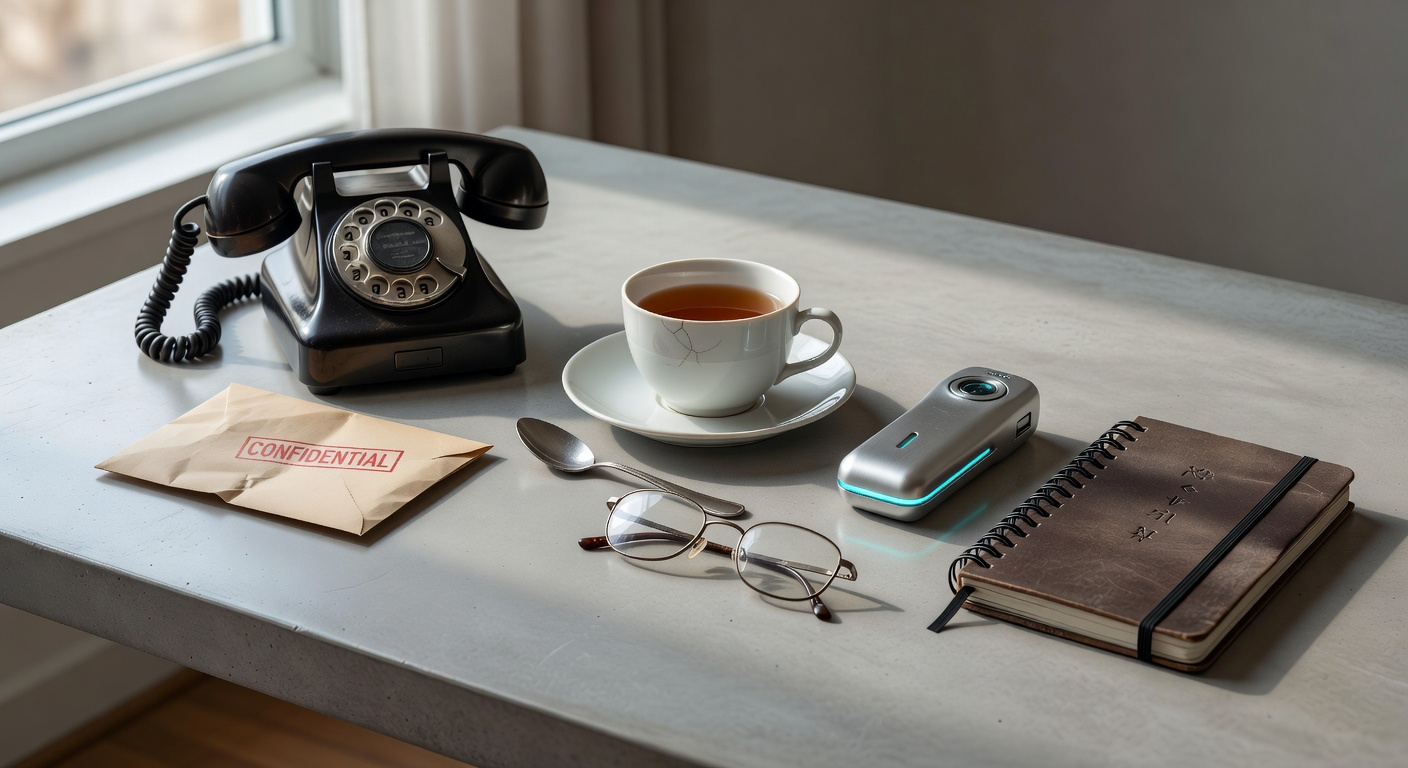
Everyday objects in cinema function as silent carriers of narrative weight, and researchers at institutions such as New York University’s Tisch School of teh Arts have documented how props embed thematic layers that shift depending on the surrounding genre conventions. A single item like a coffee mug can anchor character routines in a domestic drama yet transform into a vessel for tension when placed in a thriller sequence, while the same object gains ironic detachment in a comedy context where its banality undercuts dramatic stakes.
Objects as Narrative Anchors
Production designers select props through deliberate processes that account for both practical use and symbolic resonance, and studies from the University of Southern California’s School of Cinematic Arts show repeated patterns across decades of American and European filmmaking. In one case the red stapler from Office Space moves from workplace comedy into cult status because its bright color and mundane function highlight bureaucratic absurdity, yet the same type of office supply appears in corporate thrillers where it signals entrapment rather than humor. Observers note that these choices accumulate viewer associations over time, allowing a prop introduced in one film to echo across later works in unrelated genres.
Cross-Genre Migration of Specific Items
Briefcases appear in crime films as containers of illicit deals, yet they surface in science-fiction narratives as portals to alternate realities, and data compiled by the British Film Institute indicates that prop reuse across genres increased by 18 percent between 2015 and 2024. The glowing briefcase in Pulp Fiction operates as a MacGuffin whose contents remain unseen, which permits the object to carry mythic weight in an otherwise violent crime story, while similar metallic cases in recent science-fiction releases function as time-displacement devices. A leather journal follows comparable trajectories: in period dramas it records personal secrets, whereas in horror entries it becomes an artifact that transmits curses, and analysts at the Australian Film Commission have tracked how such dual-purpose objects reduce production costs while deepening subtextual continuity for attentive viewers.
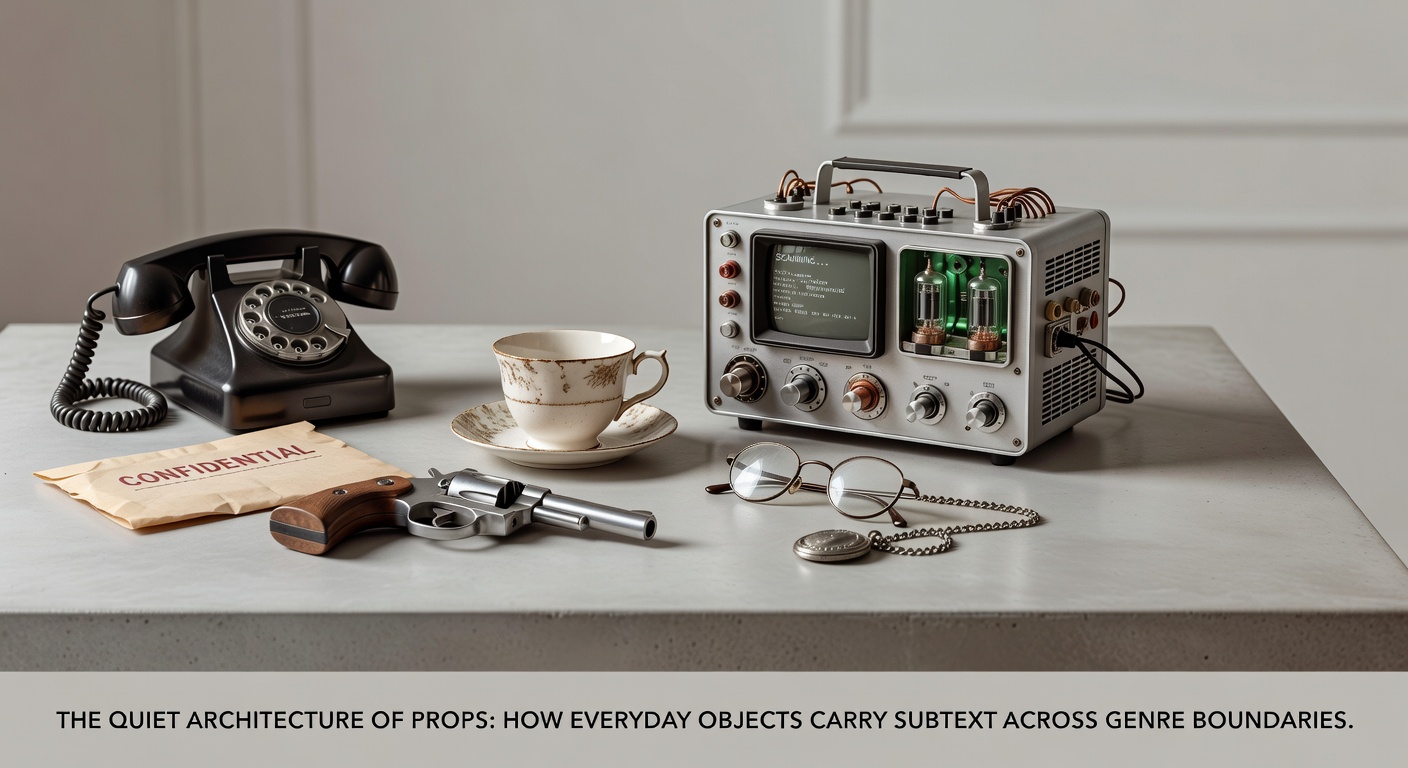
Genre boundaries become porous when props retain physical consistency but alter interpretive frames, and evidence from the European Audiovisual Observatory confirms that international co-productions frequently employ the same set of objects to bridge cultural expectations. A ceramic mug placed beside a character in a quiet drama scene signals introspection, yet the identical vessel in a suspense sequence implies impending disruption when the liquid inside begins to ripple. Filmmakers in May 2026 continue to exploit this flexibility during post-production reshoots, where minor prop adjustments recalibrate tone without requiring new sets or extensive dialogue rewrites.
Material Properties and Viewer Perception
Texture, color, and wear patterns on props guide audience inference, while research published by the Canadian Film and Television Research Institute demonstrates that matte surfaces read as grounded realism in documentaries and historical dramas, whereas reflective finishes heighten unreality in fantasy or horror contexts. A scratched wooden table can represent generational continuity in a family saga or impending decay in a dystopian thriller, and the same surface reappears in romantic comedies where its imperfections underscore relatable domestic warmth. Costume and set departments coordinate these details early in pre-production so that objects maintain internal logic even when scenes migrate across tonal registers during editing.
Case Examples from Recent Releases
Contemporary productions illustrate the mechanism with particular clarity. In one 2025 science-fiction release a pair of reading glasses shifts from scientific tool to symbol of lost humanity when the wearer removes them during an emotional confrontation, and the identical glasses later surface in a legal drama where they signify meticulous attention to evidence. Industry reports from the Motion Picture Association indicate that such prop continuity across genre hybrids contributes to higher rewatch metrics because viewers track object trajectories as secondary narrative threads. Production stills released ahead of the 2026 festival season show multiple upcoming titles relying on a single recurring coffee thermos to link parallel storylines set in different tonal universes.
Conclusion
Props therefore operate as modular units of meaning whose significance flexes according to genre context, and archival records maintained by film libraries worldwide preserve the material evidence of these shifts. Data collected through frame-by-frame analyses and viewer response studies continues to map how ordinary items accumulate layered associations that travel between comedies, thrillers, dramas, and speculative works. The architecture remains quiet precisely because it functions through accumulated viewer memory rather than explicit exposition, allowing objects to carry subtext across boundaries that dialogue and plot alone cannot bridge.